Unfinished pasts: Tracing the journeys of museum objects
Unfinished pasts: return, keep, or…? places visitors at the heart of the current debate on colonial collections and restitution. How did these objects enter museum collections? Who do they actually belong to, and what should their future be? In an interactive installation developed by Tapart, visitors explore the provenance research of five objects and are invited to reflect on the complex choices museums are facing today.
What we provided
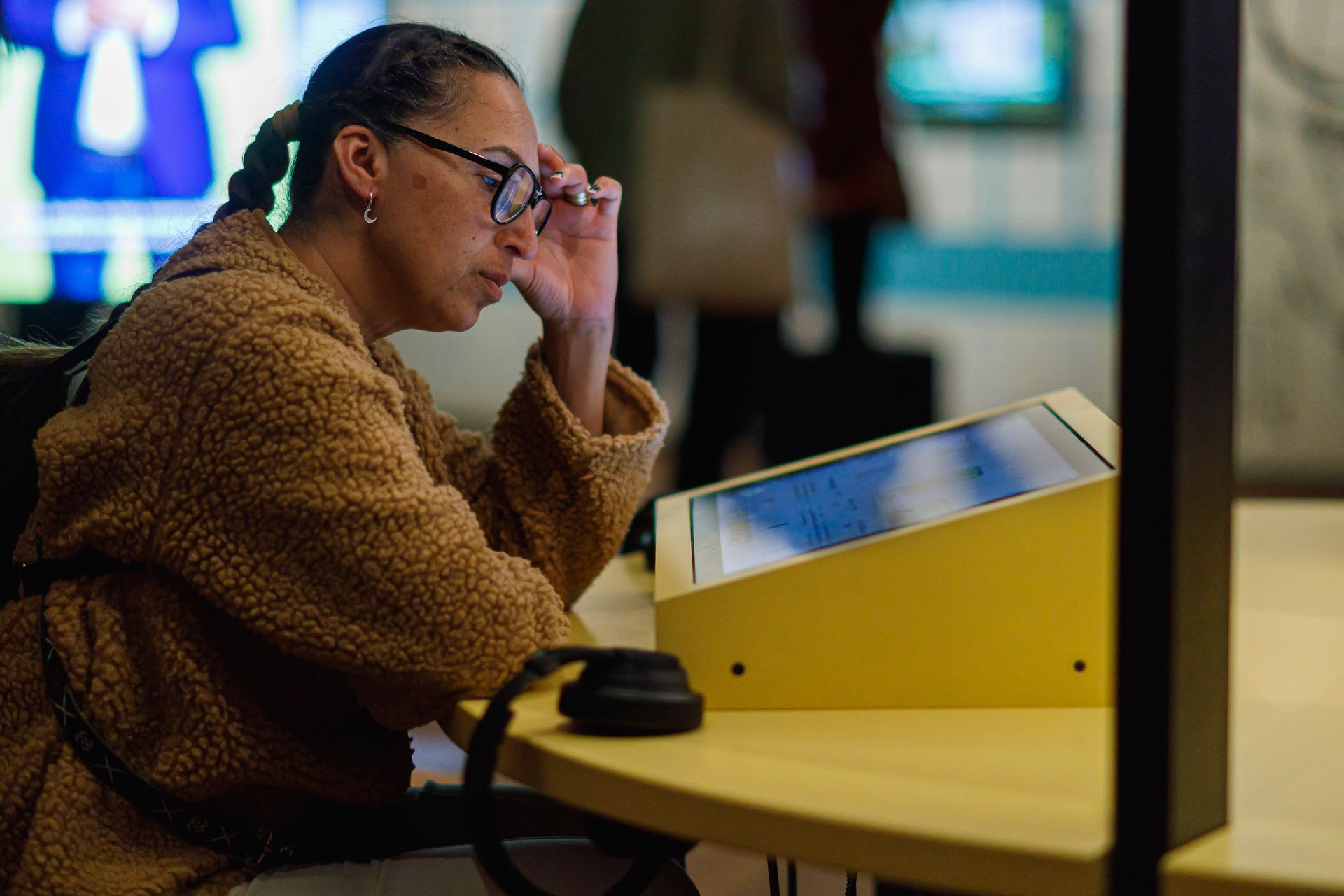
To whom do the objects belong?
Van Gogh Europe is a network of European heritage sites and museums connected to the life and work of Vincent van Gogh — including the Van Gogh Museum, Musée d'Orsay, Chateau Auvers, and Van Gogh House London. Their aim: to make Van Gogh's cultural heritage accessible to a wide audience, and to inspire and engage current and future generations.
Vincent van Gogh didn't stay in one place. He moved through Drenthe, Brabant, the Belgian Borinage, London, Arles, Saint-Rémy, and Auvers-sur-Oise. His story is spread across a continent. Van Gogh Europe wanted to bring that story together — on the exact places where he lived and painted.

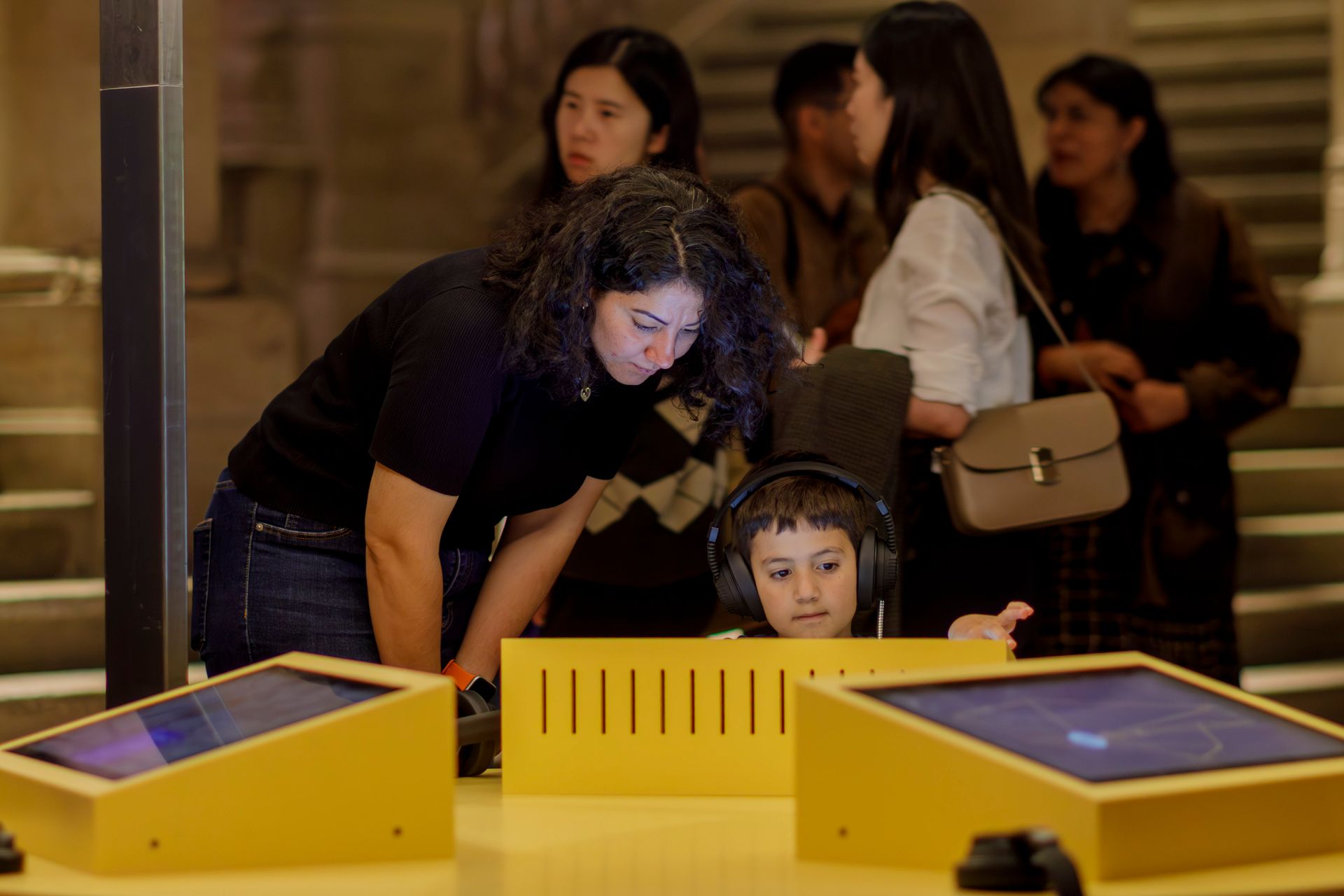
Provenance research as a starting point
The installation translates in-depth provenance research into an accessible and engaging experience. Five museum objects form the starting point, each unfolding through an interactive timeline that traces its origin across time, place, and power.
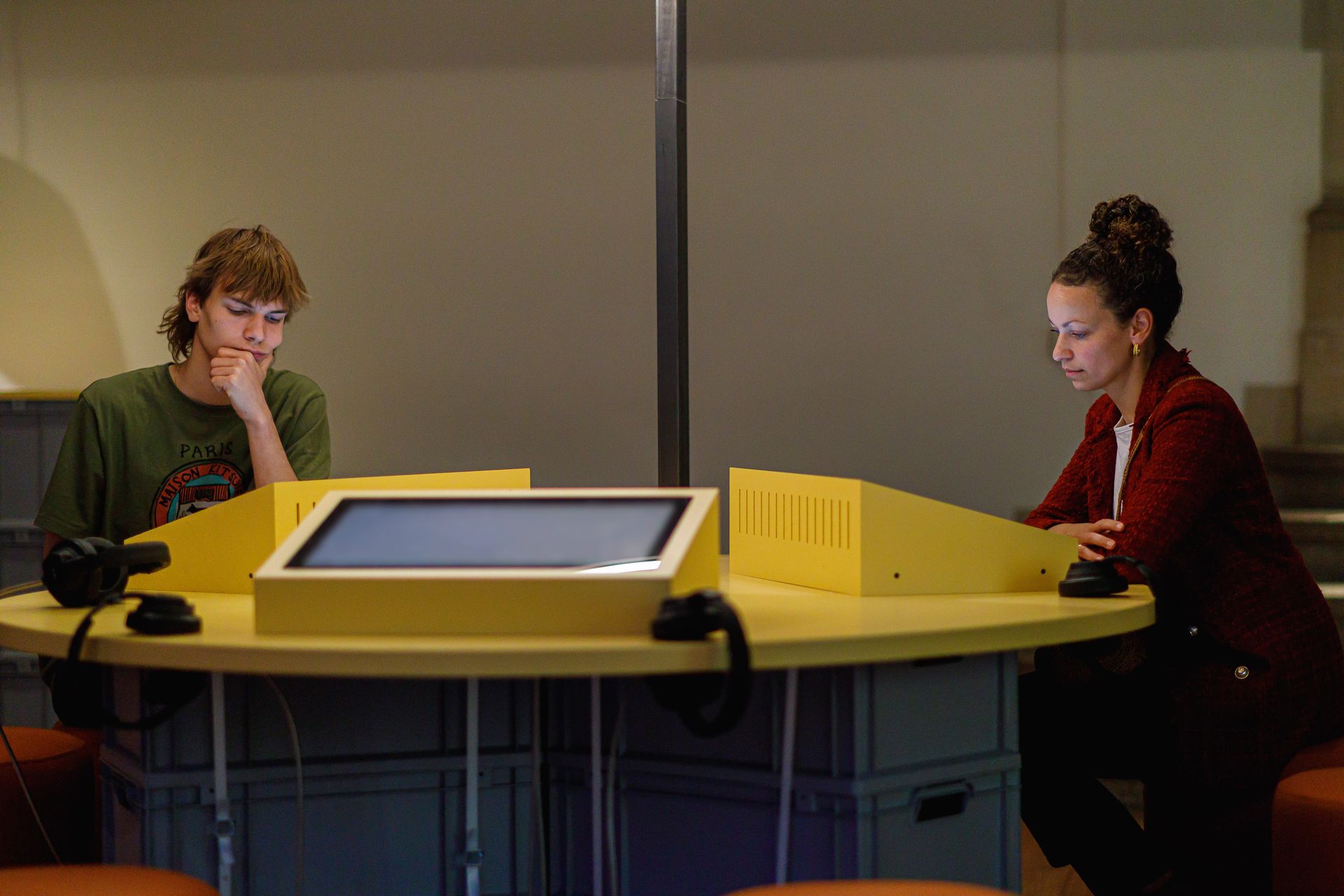
Designed for dialogue
Each story is presented as a chronological timeline, supported by archival documents, photographs, audio, and objects. Along the way, moments of reflection invite visitors to respond to provocative statements and compare their views with others, turning research into shared dialogue.
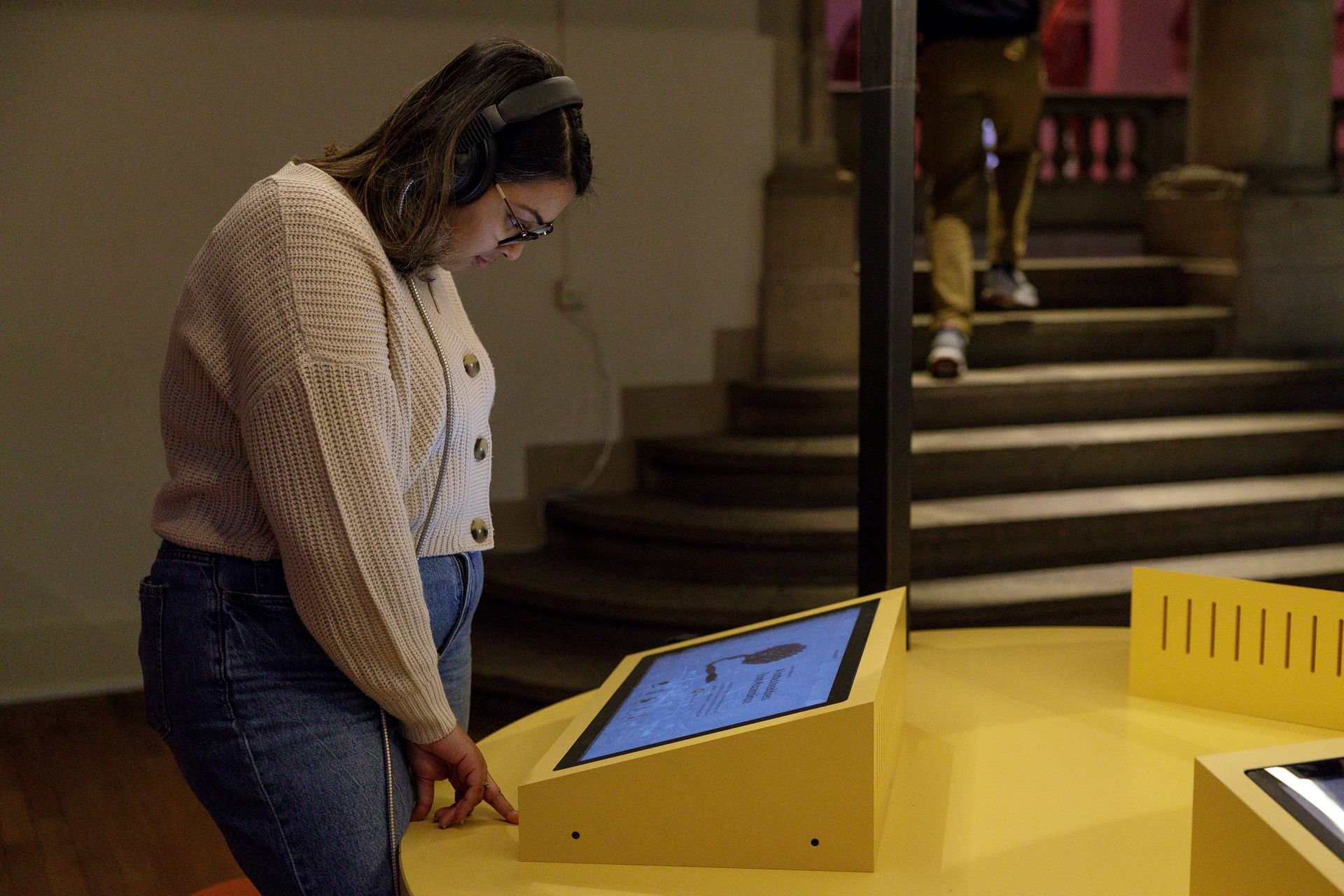
Greater understanding and insight into restitution
By placing five objects and their provenance research at the center, questions of ownership, value, and origin become tangible and concrete.
The installation offers depth and context, reveals the full scope of restitution, and makes its complexity understandable. Visitors leave with a deeper understanding of the debate and the space to form their own perspective.